How Biogas Analyzers Help Maximize Methane Yield in Waste-to-Energy Plants
Waste-to-energy plants are increasingly becoming a cornerstone of sustainable infrastructure. By converting organic waste into usable biogas, these facilities generate renewable energy while reducing landfill dependency. However, the economic viability of a biogas plant depends heavily on methane concentration — the primary energy carrier in biogas.
A robust biogas methane monitoring system is critical for ensuring optimal methane yield, stable digestion performance, and maximum energy recovery. Continuous gas composition monitoring enables operators to maintain ideal biological conditions inside digesters and enhance plant-wide efficiency.
1. Understanding the Importance of Methane Monitoring
Biogas produced through anaerobic digestion typically contains:
- Methane (CH₄)
- Carbon dioxide (CO₂)
- Hydrogen sulfide (H₂S)
- Trace gases
Methane concentration directly determines the calorific value of biogas. Even small fluctuations in methane levels can significantly impact:
- Power generation efficiency
- Engine performance
- Gas upgrading processes
- Revenue generation
A biogas methane monitoring system provides continuous measurement of methane concentration, allowing operators to make data-driven adjustments to digestion parameters.
2. Optimizing Anaerobic Digestion Performance
The efficiency of anaerobic digestion depends on:
- Feedstock composition
- Temperature stability
- pH balance
- Retention time
- Microbial activity
Real-time methane measurement allows plant operators to detect early signs of process imbalance. If methane concentration begins to decline, corrective actions such as feedstock adjustment or temperature correction can be implemented immediately.
This proactive control approach:
- Prevents digester upset
- Reduces volatile fatty acid accumulation
- Stabilizes microbial populations
- Maintains consistent gas production
Continuous monitoring transforms digestion management from reactive troubleshooting to predictive optimization.
3. Maximizing Energy Output & Generator Efficiency
Biogas is commonly used in:
- Gas engines
- Combined heat and power (CHP) systems
- Gas upgrading units for biomethane production
Stable methane concentration ensures:
- Efficient combustion
- Reduced engine knocking
- Lower maintenance frequency
- Higher electrical output
A reliable biogas methane monitoring system provides accurate CH₄ data that supports optimal generator tuning and consistent power output.
4. Ensuring Safe and Compliant Operations
Biogas contains combustible methane and corrosive gases such as hydrogen sulfide. Poor monitoring can lead to:
- Corrosion in pipelines and engines
- Safety hazards
- Environmental non-compliance
Continuous gas measurement allows early detection of abnormal gas composition and supports regulatory reporting requirements. Accurate data ensures both operational safety and environmental accountability.
5. Reducing Operational Costs and Downtime
Unstable methane production can result in:
- Inefficient fuel usage
- Increased maintenance
- System downtime
- Reduced revenue
By deploying a reliable solution from an experienced bio gas analyzer supplier, waste-to-energy plants can maintain consistent gas quality, extend equipment life, and reduce total operating costs.
Reliable gas analysis ultimately improves return on investment by maximizing methane yield and minimizing unplanned interruptions.
Bhoomi’s Biogas Monitoring Solutions
At Bhoomi Ltd, we design advanced gas analysis solutions engineered for renewable energy and waste-to-energy applications.
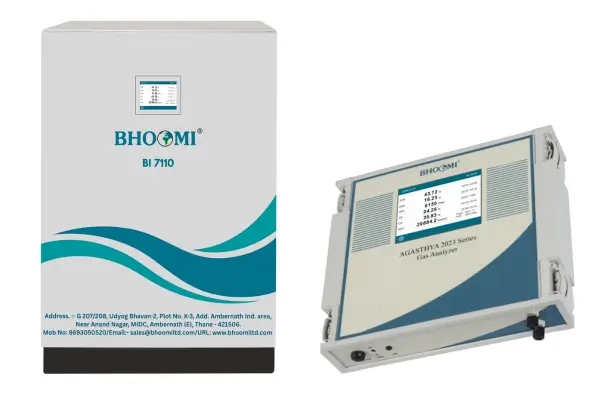
Our biogas analyzer systems offer:
- Accurate methane and CO₂ measurement
- Rapid-response sensor technology
- Durable construction for harsh digester environments
- Digital output for PLC/DCS integration
- Low maintenance requirements
Explore our dedicated biogas analysis solution here:
As a dependable bio gas analyzer supplier, Bhoomi combines industrial-grade instrumentation with domain expertise to support long-term operational excellence.