How Biomass Gas Analyzers Optimize Energy Output in Renewable Plants
As the global energy mix shifts toward sustainability, biomass power generation is gaining prominence. Biomass plants—from agricultural residue-fired boilers to dedicated biomass gasification systems—rely on consistent combustion performance to maximize energy output while minimizing emissions.
Central to this performance optimization is precise gas measurement. An industrial biomass gas analyzer delivers real-time insight into gas composition within biomass conversion systems. By accurately tracking key combustion gases, these analyzers help operators fine-tune processes, improve efficiency, and reduce operational costs.
1. Enhancing Combustion Control for Biomass Systems
Biomass fuels are inherently variable in composition—moisture content, calorific value, and ash constituents can differ between batches and feedstocks. This variability significantly impacts combustion kinetics and overall furnace performance.
An industrial biomass gas analyzer continuously measures combustion gases such as:
- Oxygen (O₂)
- Carbon monoxide (CO)
- Carbon dioxide (CO₂)
- Nitric oxides (NOₓ)
Real-time data enables operators to dynamically adjust air-fuel ratios, ensuring complete combustion. This results in:
- Higher thermal energy output
- Reduced unburnt fuel losses
- Lower carbon monoxide emissions
- Stable boiler and furnace temperature profiles
Such control is crucial for achieving both performance targets and environmental compliance.
2. Improving Fuel-to-Air Ratio Optimization
Biomass combustion efficiency depends on maintaining the correct balance between fuel feed and combustion air. Excess air lowers furnace temperatures and reduces efficiency, while insufficient air leads to incomplete combustion and higher CO emissions.
By using an industrial biomass gas analyzer to monitor O₂ and CO levels in flue gas, operators can:
- Detect excess air conditions
- Identify inefficient combustion zones
- Fine-tune blower settings
- Maintain optimal combustion efficiency
The result is maximum usable energy per unit of biomass consumed, leading to cost savings and improved boiler performance.
3. Meeting Emission Standards with Precise Gas Monitoring
Biomass plants must comply with environmental regulations governing emissions of NOₓ, CO, and particulate matter. Real-time measurement of these gases enables operators to:
- Adjust combustion parameters proactively
- Implement corrective actions without downtime
- Capture accurate data for regulatory reporting
In effect, the right instrumentation transforms compliance from a periodic audit requirement into a continuous optimization process.
4. Reducing Operational Costs and Increasing Reliability
Uncontrolled combustion inefficiencies not only waste fuel but also increase maintenance demands. Issues such as slagging, fouling, and thermal stress can arise when combustion conditions deviate from optimal ranges.
An industrial biomass gas analyzer helps mitigate these risks by:
- Providing early warnings of combustion anomalies
- Minimizing thermal stress and equipment wear
- Extending the lifespan of components (burners, tubes, fans)
- Reducing unexpected maintenance shutdowns
Reliable gas measurement translates into longer asset life and a lower total cost of ownership.
5. Enabling Actionable Data for Process Automation
Modern biomass plants increasingly rely on automation and advanced control systems. Integrated gas analysis supports:
- Closed-loop combustion control
- Correlation of gas data with plant performance KPIs
- Predictive maintenance strategies
- Adaptive process optimization
Using data from an industrial biomass gas analyzer, control systems can automatically adjust airflow, fuel feed, and temperature settings to maintain peak performance continuously.
Bhoomi’s Solutions for Biomass Energy Optimization
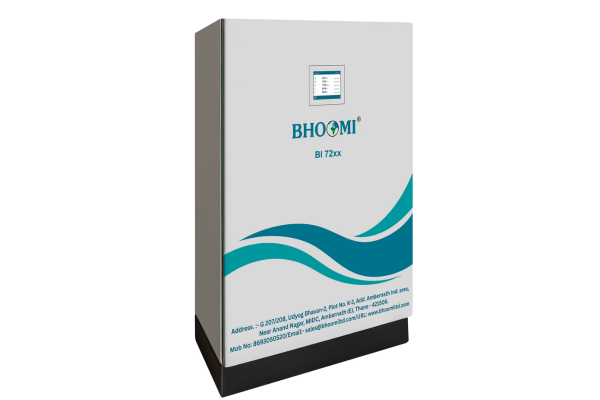
At Bhoomi Ltd., we specialize in high-performance industrial gas analyzers designed for renewable energy applications, including biomass combustion systems.
Our advanced analyzer solutions offer:
- Rapid-response sensors for real-time gas analysis
- Multi-gas measurement capabilities
- Rugged construction for high-temperature flue gas environments
- Digital interfaces for seamless PLC/DCS integration
- Minimal maintenance requirements
Explore our dedicated biomass gas analysis solutions to learn more.
As a trusted Biomass gas analyzer supplier, Bhoomi combines technical expertise with industrial-grade product quality, ensuring reliable performance where it matters most.