Why do beverage industries use headspace analyzers?
The quality and shelf-life of a beverage product is closely tied to the gases present in the container after filling. Oxygen can lead to spoilage and flavour degradation, while incorrect CO₂ levels can impact taste and texture in carbonated drinks. To manage this, beverage manufacturers rely on headspace analysers. These are precision instruments that measure the gas composition in sealed bottles or cans. Here, we explore how headspace analysers are used in the beverage industry. You will find a detailed take on the problems they help prevent, and the things to look for when choosing a system.
Why do beverage industries use headspace analysers?
In the beverage industry, product quality and consistency are crucial to maintaining customer trust and satisfaction. A key tool in ensuring these standards is headspace analysis. It is a process used to measure gases like oxygen (O₂) and carbon dioxide (CO₂) in the space above the liquid in sealed packaging. It plays a vital role in beverage quality control, especially when it comes to managing the delicate balance of ingredients and maintaining the integrity of the product from production to consumption.
What Is Headspace analysis?
Headspace analysis involves measuring the gases present in the space above the liquid in a sealed container. The gases measured are typically O₂ and CO₂, which play essential roles in the preservation and quality of beverages. This analysis helps manufacturers understand the conditions within each package, which directly influences the taste, shelf life, and safety of the beverage. By tracking the levels of these gases, beverage producers can ensure that their products remain fresh and of high quality throughout their shelf life.
Why headspace analysis is crucial in beverage production
Oxygen control: Excess oxygen in beverages like juices, beer, and wine can lead to oxidation, spoilage, and off-flavours. Monitoring oxygen levels ensures freshness and preserves flavour.
Carbonation monitoring: In carbonated drinks, proper CO₂ levels are essential for taste consistency. Headspace analysis helps maintain the right fizziness, ensuring the drink’s desired mouthfeel.
Seal validation: Improper sealing can introduce unwanted air, affecting product quality. Headspace analysis detects leaks and ensures proper sealing. It protects product integrity.
Compliance: Accurate measurement of gas content in packaging is required for regulatory compliance. Headspace analysers help meet food safety and labelling standards, avoiding fines and enhancing brand credibility.
Effects on product shelf-life and consumer experience
Headspace conditions directly affect the shelf-life and consumer experience of beverages. The right balance of oxygen and CO₂ helps preserve the product’s stability and flavour, ensuring that it reaches consumers in its best possible condition. Improper headspace conditions can lead to a reduction in the shelf-life of beverages like beer, causing it to go stale before it even hits the shelf.
Advantages of inline and real-time monitoring
Inline and real-time headspace analysis offers significant advantages over manual sampling. It eliminates the need for time-consuming manual checks, allowing for continuous monitoring of the production line. This enables faster detection and correction of issues such as filling line discrepancies or inconsistent gas levels. It helps maintain quality control throughout the entire production process.
Application across various beverage types
Headspace analysis is relevant across a wide range of beverage types. In carbonated soft drinks, the analysis ensures that the right amount of CO₂ is present, preserving the drink’s fizz. For beer and wine, oxygen levels are monitored to prevent oxidation and spoilage. Bottled water benefits from headspace analysis to ensure there’s no unwanted oxygen exposure that could affect the taste and quality of the water.
Looking for a functional headspace gas analyser?
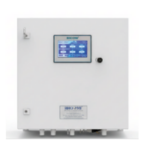
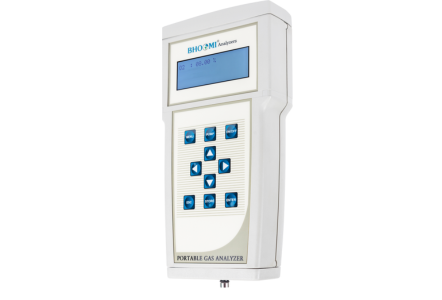
Explore built to measure Oxygen and Carbon Dioxide levels in the packaging of food and beverage products. The device utilises an electrochemical fuel cell for Oxygen analysis and an infrared sensor for Carbon dioxide detection. It is easy to operate and calibrate, and is perfectly suitable for packaging industries like food and beverage production. You can also try our Agasthya 2017 Series Handheld O2 Headspace Analyzer BI 4000 . You can carry out the analysis by using air or a calibration gas. The upgraded model offers a quicker response, making it easier for you to perform headspace analysis without any hassle.