CEMS Installation Checklist: What to Plan Before Commissioning
Installing a Continuous Emission Monitoring System (CEMS) requires consideration of the location of the measuring device, how you can access it safely, plus utilities, calibration requirements and data transfer, to ensure that the system can provide reliable measurement.
Use this guide in conjunction with your relevant consent conditions, current regulator guidelines and manufacturer installation instructions to prepare a CEMS installation for your plant.
What is CEMS in a Power Plant?
A Continuous Emission Monitoring System is used to measure certain emissions or parameters within a process. It can consist of gas analysers, particulate/dust monitoring, flow, sampling, data logging and communications devices, depending on the plant and requirements.
The CEMS full form in power plant is Continuous Emission Monitoring System. The exact parameters that need to be measured will depend on the process in the plant.
CEMS Installation Checklist
1. Define Monitoring Requirements
Define the following prior to purchasing equipment:
- Which stack/duct you need to monitor
- What parameters you need to measure
- What ranges and units you need to measure
- What reporting and data requirements you have
- Do you require flow, temperature, moisture or other parameters?
Define the specific requirements for your CEMS system in power plant for your unit and stack.
2. Consider Sampling Location
Consider the sampling location. Will this give a true representation of the emissions in the stack? Consider duct layout, gas flow, bends or obstructions nearby, and ease of access for reference and maintenance.
According to the CPCB guidelines, you need to consider where the monitoring points, segments, ports and platforms will be located.
Consider the site with your plant, project and instrumentation teams to define where the port will be located.
3. Mounting Point and Access
Ensure you have the correct ports in place for the stack/duct and that they are mounted using the manufacturer’s instructions. Set up a stable work platform, safe access, railing and clear path for maintenance.
According to the revised guidelines from the CPCB, you should have safe work platforms in place, cables and instrument air lines correctly routed and secured. Follow the height working procedures for the site and follow the supplier’s manual.
4. Utilities Requirements
Ensure you know the power requirements for the equipment, earthing and if you require instrument air, heating, cooling or shelter for the installation.
Ensure the connections are in place to install the equipment at the correct mounting point and are protected from the site conditions.
Ensure you have a reliable power supply, correct earthing and clean dry compressed air, according to the guidelines from the CPCB. This will depend on the CEMS power plant set-up.
5. Process Compatibility
Talk to your equipment supplier about the gases, dust load, moisture, temperature and what the process will be like. Understand if you will have an in-situ or extractive system, plus any sample conditioning or protection.
This is important for CEMS in power plant applications to ensure it is the right setup for the flue gas matrix and conditions. Ensure the analyser, probe, sample line and conditioning equipment match the method of measurement.
6. Calibration, Checking and Maintenance
Decide how you will carry out zero/span checks, calibration, verification and general maintenance. Ensure you know the calibration requirements, materials, who will be responsible, and what the escalation process is.
According to the CEMS guidelines from the CPCB, zero/span checks will be required, plus certified reference gases for gas analysers. Follow the requirements for your installation and the manufacturer’s procedures.
Ensure you have defined who will carry out the checks and what the recording process will be for results, alarms and maintenance. Proper CEMS calibration is essential for maintaining measurement accuracy and reliability.
7. Data Communication Testing
Ensure that the complete data path from the analyser to your plant system and required external server is complete. Check the parameters, units, time stamp, communication, alarms and what happens if there is no connection.
It can be useful to understand how CEMS data work. The instrument will take a reading of the parameter, the system will log and validate based on the set-up, and send the data to the correct monitoring platform. Test the end-to-end process.
8. Handover Documentation
Ensure you have documented the configuration of the system, what checks have been carried out, any outstanding issues, training for operators and what the maintenance requirements are.
Ensure the plant team know how to view the readings, what to do with any alarms and how to contact the service team.
Having a clear handover for CEMS installation checklist projects in a power plant means your operations, instrumentation and environmental teams have clear information.
How Bhoomi Can Help
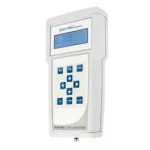
Bhoomi has a wide range of Continuous Emission Monitoring System and emissions monitoring devices, including the BI 7000 for dust and flow monitoring.
The correct set-up will depend on the parameters in your plant, site conditions and project requirements.
Talk to the Bhoomi team to understand what the scope will be.
Final Takeaway
By working with the team early on, you can ensure your installation is reliable. Define what you need to monitor, install in the correct location, have safe access and utilities in place, define how you will carry out calibration and test the data path.
Having a practical CEMS installation checklist for your plant will help your team identify any issues with the site and ensure that your CEMS in power plant application is planned effectively.
Frequently Asked Questions (FAQs)
1. What is a Continuous Emission Monitoring System (CEMS) in a power plant?
A Continuous Emission Monitoring System (CEMS) is used in power plants to continuously measure and monitor emissions released through stacks. It can measure parameters such as SO₂, NOx, particulate matter, oxygen and other process-related parameters, depending on regulatory and plant requirements.
2. What is the CEMS full form in a power plant?
The CEMS full form in a power plant is Continuous Emission Monitoring System. It helps monitor industrial stack emissions and provides emission data for environmental compliance, reporting and process monitoring.
3. What should be included in a CEMS installation checklist?
A CEMS installation checklist should include monitoring requirements, sampling location, mounting arrangements, safe access platforms, power supply, utilities, process compatibility, calibration requirements, data communication testing and handover documentation. These checks help ensure proper installation and reliable system performance.
4. How does a CEMS system work in a power plant?
A CEMS system in a power plant uses analysers and monitoring instruments to measure emission parameters from the stack. The measured data is recorded, processed and transmitted to the required monitoring platform or server. Understanding how CEMS data work helps plant operators monitor emissions, identify abnormalities and maintain reporting records.
5. Why is CEMS calibration important in power plants?
CEMS calibration is important to maintain measurement accuracy and reliability. It involves procedures such as zero and span checks using appropriate certified reference gases for gas analysers, as applicable. Regular calibration and verification help ensure that the CEMS in power plant applications provide dependable emission measurements.