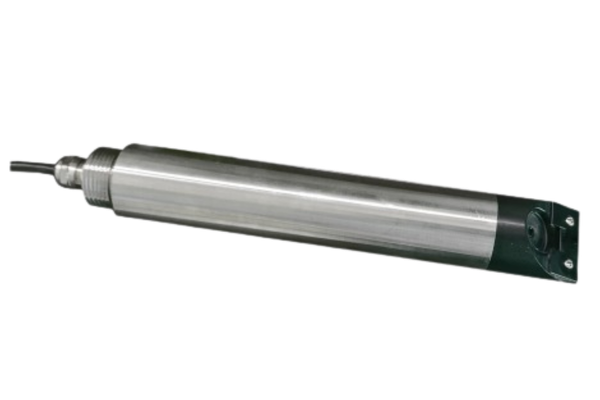
Turbidity Analyzers: The Key to Maintaining Water Quality in Power Plants
Water quality management is a critical aspect of power plant operations, directly impacting efficiency, safety, and equipment longevity. One of the most important parameters in water monitoring is turbidity, which indicates the presence of suspended particles in water. A turbidity analyzer plays a vital role in ensuring water clarity and maintaining optimal plant performance.
In high-stakes environments such as thermal and nuclear facilities, continuous monitoring using a Turbidity analyzer for nuclear power plant applications becomes essential for preventing contamination and ensuring regulatory compliance.
1. Understanding Turbidity in Power Plant Water Systems
Turbidity refers to the cloudiness or haziness of water caused by suspended solids such as silt, microorganisms, and organic matter.
In power plants, increased turbidity can:
- Affect cooling system efficiency
- Lead to fouling and particulate deposition on heat transfer surfaces
- Reduce heat transfer performance
A turbidity analyzer continuously measures these particles, providing real-time insights into water quality.
2. Protecting Critical Equipment from Damage
Suspended particles in water can cause abrasion, clogging, and long-term damage to sensitive equipment such as condensers, cooling towers, and water handling systems
Using a Turbidity analyzer for nuclear power plant operations helps:
- Detect contamination at early stages
- Prevent buildup in pipelines and heat exchangers
- Extend the lifespan of critical components
This proactive approach minimizes downtime and maintenance costs.
3. Ensuring Efficient Cooling and Heat Transfer
Clean water is essential for effective heat exchange processes. High turbidity levels reduce the efficiency of cooling systems by forming deposits on heat transfer surfaces
A turbidity analyzer enables operators to:
- Maintain optimal water clarity
- Improve cooling system performance
- Reduce energy losses
This contributes directly to improved plant efficiency.
4. Supporting Water Treatment Processes
Water treatment is an ongoing process in power plants, involving filtration, sedimentation, and chemical dosing.
A turbidity analyzer helps optimize these processes by:
- Monitoring filtration efficiency
- Indicating when filter media needs replacement
- Ensuring proper chemical dosing
For sensitive environments, a Turbidity analyzer for nuclear power plant ensures that even minor variations in water quality are detected and corrected promptly.
5. Meeting Regulatory and Safety Standards
Power plants must adhere to strict environmental and safety regulations regarding water discharge and quality.
Continuous monitoring using a turbidity analyzer ensures:
- Compliance with environmental norms
- Accurate reporting of water quality data
- Prevention of regulatory violations
In nuclear facilities, maintaining ultra-pure water quality is critical for both safety and operational integrity.
6. Enabling Automation and Real-Time Monitoring
Modern power plants rely on automated systems for efficient operations.
A turbidity analyzer can be integrated with control systems to:
- Provide real-time alerts for turbidity spikes
- Automate corrective actions
- Maintain consistent water quality without manual intervention
This enhances operational reliability and reduces human error.
Explore Reliable Turbidity Monitoring Solutions
For accurate and dependable turbidity measurement, Bhoomi Process Management Pvt. Ltd. offers advanced turbidity sensors designed for industrial and power plant applications.
Their solutions are engineered for high precision, durability, and seamless integration, making them suitable even for demanding environments like nuclear power plants.