Role of hydrogen analyser in cooling generator
Cooling systems play a pivotal role to maintain efficiency and ensure the smooth operation of machinery, especially in power generation. Often used in large-scale power plants, the cooling generators rely on various methods to keep temperatures in check and prevent overheating. One such method is the use of hydrogen gas for cooling. Here, the hydrogen analyser plays a crucial role to ensure the optimal performance of cooling generators with accurate monitoring of hydrogen levels. Here, we will explore the essential role of hydrogen analysers in cooling generators.
Continuous monitoring of hydrogen levels for optimal cooling efficiency
Hydrogen is used in cooling generators due to its ability to dissipate heat efficiently. This is critical to prevent equipment from overheating. However, it is not enough to simply rely on hydrogen for cooling; the concentration levels must be constantly monitored to ensure they are within the required range. If the hydrogen concentration is too low, cooling efficiency diminishes. If it is too high, safety risks increase.
Hydrogen analysers play a critical role to maintain the right balance with continuous and accurate monitoring of hydrogen levels. This ensures that cooling generators operate efficiently and helps industrial operations reduce energy wastage and avoid the risks of suboptimal cooling. Through constant inspection of hydrogen levels, these analysers ensure that the cooling process remains effective at all times. This protects both machinery and the workforce.
Minimisation of explosion risks and fire hazards
Hydrogen is an excellent coolant, but it is also highly flammable. Even small variations in hydrogen concentration can increase the risk of dangerous situations, which include explosions or fire hazards. This is particularly concerning in large-scale industrial plants where the volume of hydrogen in use is significant.
Hydrogen analysers are equipped with highly sensitive sensors that detect hydrogen at even trace levels. In case of a leak or abnormal concentration, the analyser immediately alerts the operators. This early warning system helps take prompt action to mitigate any risks, which significantly reduces the likelihood of catastrophic events. With the maintenance of a controlled environment, hydrogen analysers can safeguard both the equipment and personnel and ensure workplace safety.
Enhancement of generator performance and longevity
Maintenance of right hydrogen concentration is not just about safety—it can also ensure that the cooling generator operates efficiently and for a longer period of time. Improper hydrogen levels can result in overheating, which can cause wear and tear on the cooling generator’s components. This leads to costly repairs or replacements.
Hydrogen analysers help preserve the integrity of the cooling system through the detection of abnormal levels of hydrogen before they cause any damage. Early detection enables operators to take corrective actions, such as adjustment of hydrogen levels or conduction of maintenance. These avoid system breakdowns and extend the life of the equipment. In the long run, this reduces operational downtime and maintenance costs.
Real-time alerts for immediate action
The key advantage of the use of a hydrogen analyser in cooling generators is its ability to provide real-time data and alerts. Industrial operations are dynamic, and reliance on manual checks for hydrogen concentration can leave the system vulnerable to unnoticed changes in hydrogen levels. Hydrogen analysers provide real-time monitoring, which gives operators immediate feedback on the gas concentration. If levels fall outside of the safe range, the analyser sends an alert and enables operators to respond swiftly before issues escalate. This ensures that the cooling system remains uninterrupted, which improves operational reliability and safety.
Contribution to compliance with safety standards
Safety is paramount for any industry. Governments and regulatory bodies around the world have stringent guidelines for the safe use of flammable gases such as hydrogen. Non-compliance can result in severe penalties, damage to reputation, and, more importantly, risks to human life. Hydrogen analysers play a crucial role to help industrial owners meet these safety regulations. With continuous monitoring of hydrogen levels and adherence to the safety limits, these analysers assist to meet environmental and safety standards. Compliance with these regulations not only helps avoid fines but also demonstrates a commitment to maintain a safe working environment for all employees.
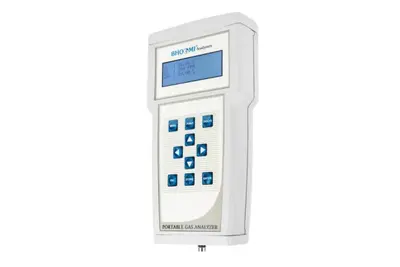
Explore our hydrogen purity analysers for efficient operation of your cooling generator. We provide Agastya 2013 Series Hydrogen Purity Analyzer BI 600, which measures hydrogen in percent level in process gas. It uses thermal conductivity technology for accurate measurement of hydrogen gas. For more efficiency, you can use our Agasthya 2013 Series Portable Hydrogen Purity Analyzer BI 620, which is a battery-operated, portable variant of the conventional hydrogen purity analyser. The battery lasts 8 hours, and can be started up for measurement within minutes. Robust and lightweight, the tool is supported by automatic zero calibration that helps maintain an excellent analytical performance throughout the operation in cooling generators. More than just a gas analyser, our tools are an investment in the longevity and safety of your industrial cooling equipment.