Role of Turbidity and Chlorine Analysers in Drinking Water Application
Poor water quality causes severe health complications, including gastrointestinal illnesses, chronic diseases, and outbreaks of serious infections. Therefore, water providers in India have a significant responsibility to ensure the safety and purity of drinking water. Among the essential tools used to monitor and maintain drinking water quality, turbidity and chlorine analysers play crucial roles. Here, we explain how these analysers function, their importance in drinking water applications, and how they help ensure water safety.
Understanding turbidity in drinking water
Turbidity refers to the cloudiness or murkiness in water caused by fine particles that remain invisible to the naked eye. These particles may include clay, silt, algae, organic matter, or microscopic organisms. A high level of turbidity signals poor water quality and may pose a risk to health.
Why is measuring turbidity essential?
Measuring turbidity is crucial because cloudy water can be a hiding place for harmful bacteria, viruses, and parasites. High turbidity can reduce the effectiveness of disinfection processes such as chlorination. Turbidity analysers monitor water clarity and provide an early warning signal of potential contamination
How do turbidity analysers work?
In India, turbidity analysers are widely used in municipal water treatment plants, borewell systems, and rural water supply schemes to ensure water clarity and quality. These analysers operate by shining a focused beam of light, typically infrared or white light, through a water sample. The particles suspended in water—such as clay, silt, algae, organic debris, and microorganisms—scatter or absorb this light.
The turbidity analyser measures the intensity of scattered or absorbed light to determine the cloudiness or clarity of water. The results are expressed in Nephelometric Turbidity Units (NTU). Lower NTU values indicate clearer water, while higher values suggest contamination or ineffective filtration.
Continuous monitoring by turbidity analysers helps Indian water utilities promptly identify and address contamination issues.
The importance of chlorine in drinking water
Chlorine is one of the most common disinfectants used in drinking water treatment. It effectively kills harmful microorganisms such as bacteria, viruses, and protozoa. It significantly reduces waterborne diseases. However, maintaining the correct chlorine concentration is vital—too little chlorine will fail to disinfect water adequately, while too much can cause taste and odour issues or potential health concerns.
The role of chlorine analysers
Chlorine analysers measure the amount of chlorine present in drinking water, ensuring that it stays within safe and effective levels. These analysers help in maintaining the balance necessary for both safety and palatability of drinking water.
How do chlorine analysers function?
Chlorine analysers typically use chemical sensors or electrochemical probes to measure chlorine levels accurately. When water passes through these analysers, the sensors detect the chlorine concentration.
Why does accurate chlorine monitoring matter?
Accurate chlorine monitoring ensures that water remains safe to drink and meets regulatory guidelines. Inaccurate chlorine levels can lead to serious health problems, either due to microbial contamination or excessive chlorine exposure.
Combining turbidity and chlorine analysers for drinking water
Using turbidity and chlorine analysers together provides comprehensive protection for drinking water quality. While turbidity analysers detect particles and potential contaminants, chlorine analysers ensure effective disinfection. Together, they offer a reliable system to ensure water quality and safety, complying with stringent health standards.
Real-time quality assurance
Real-time data from these analysers allows water treatment plants to make swift decisions. For example, an unexpected increase in turbidity could prompt immediate corrective measures, such as increasing chlorine dosage or adjusting filtration processes. Similarly, a sudden drop in chlorine levels can quickly trigger dosing adjustments to maintain effective disinfection.
Looking for high-quality turbidity and chlorine analysers?
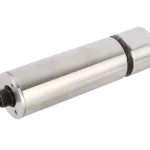
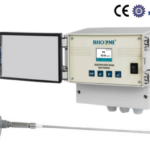
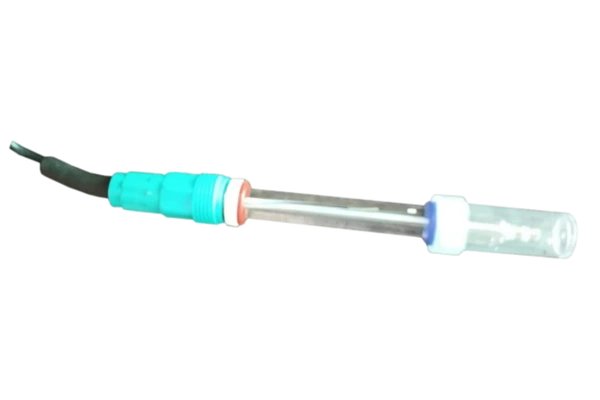
Explore our products. For instance, our Agasthya 2021 Series Online Turbidity Analyser – BI 1370 operates using a principle that combines infrared absorption with the scattered light method. This approach allows the sensor to deliver accurate and reliable turbidity readings across various water conditions. The device serves as a vital tool for water quality monitoring, providing essential information on the clarity or cloudiness of water. You can also check our Agasthya 2021 Series Online Chlorine Analyser – BI 1340. It provides accurate measurement of chlorine levels in water. It operates on the potentiometric principle and allows precise detection of residual chlorine or hypochlorous acid in water. This technology ensures reliable and continuous analysis, offering real-time data that supports efficient water treatment and management.