How chlorine sensors are used in drinking water applications?
Chlorine sensors play an important role in maintaining the safety and quality of drinking water. Chlorine is widely used as a disinfectant to eliminate pathogens and ensure that water supplied to households, industries and public facilities is safe for consumption. Chlorine sensors enable real-time monitoring and precise control of chlorine levels in drinking water systems, ensuring compliance with health and safety regulations.
Ensuring proper disinfection
Chlorine is added to drinking water to kill harmful microorganisms such as bacteria, viruses, and protozoa. Chlorine sensors measure residual chlorine levels in the water to verify that disinfection has occurred effectively. By providing accurate readings, these sensors help maintain optimal chlorine concentrations, avoiding under-chlorination, which may lead to contamination, or over-chlorination, which can affect taste and safety.
Continuous monitoring of water quality
Chlorine sensors enable continuous monitoring of chlorine levels in real time, ensuring that water quality remains consistent throughout the distribution network. They detect any fluctuations in chlorine concentration, allowing water treatment facilities to respond promptly to potential issues, such as increased microbial contamination or equipment malfunctions.
Compliance with regulatory standards
Regulatory bodies such as the World Health Organization (WHO) and local health agencies set specific guidelines for chlorine levels in drinking water. Chlorine sensors help water utilities adhere to these standards by providing accurate measurements of free chlorine, combined chlorine, and total chlorine. Maintaining these levels ensures water safety and avoids penalties for non-compliance.
Optimising chlorine dosing
Accurate chlorine measurements allow for precise dosing, reducing waste and operational costs. Chlorine sensors are used to control dosing pumps in water treatment plants, ensuring that the correct amount of chlorine is added to the water. This optimisation minimises the risk of producing harmful by-products like trihalomethanes (THMs), which can form when chlorine reacts with organic matter in the water.
Safeguarding water distribution systems
As water travels through pipes, chlorine levels can decrease due to reactions with organic and inorganic matter. Chlorine sensors installed at various points in the distribution system ensure that adequate residual chlorine is maintained until the water reaches the consumer. This helps prevent recontamination and maintains the integrity of the water supply.
Applications in emergency situations
In cases of contamination or natural disasters, chlorine sensors are vital for quickly assessing water safety. They allow emergency responders to evaluate chlorine levels in affected areas and adjust disinfection processes as needed to restore safe drinking water.
Looking for a reputed chlorine sensor manufacturer?
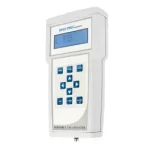
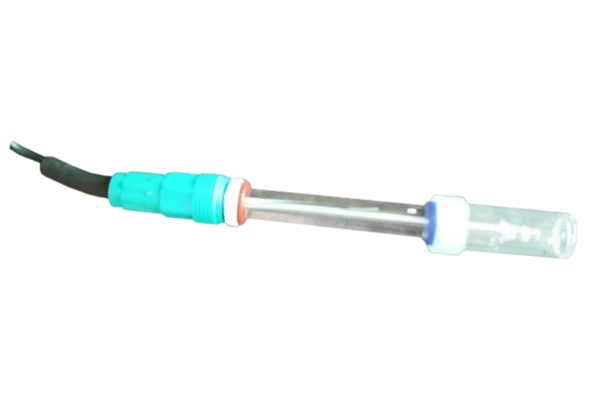
Explore our chlorine sensors. Our Agasthya 2021 series Online Chlorine Analyzer – BI 1340 is designed to deliver precise chlorine measurements. Using the advanced potentiometric principle, our sensor accurately measures residual chlorine or hypochlorous acid in water. This innovative approach dynamically controls potential between electrodes, eliminating resistance and oxidation-reduction potential for highly reliable readings. The BI 1340 ensures consistent monitoring, making it ideal for applications across distribution systems. Trust our chlorine sensor to uphold water quality standards with efficiency and precision, promoting safety and regulatory adherence.