Why H₂S Gas Detection Is Critical in Wastewater Treatment Plants
Wastewater treatment plants are essential for maintaining environmental hygiene and public health. However, they also present hazardous working conditions due to the presence of toxic gases—one of the most dangerous being hydrogen sulfide (H₂S). This colorless gas, known for its characteristic “rotten egg” smell, can be highly toxic even at low concentrations.toxic at relatively low concentrations and becomes life-threatening at higher levels.
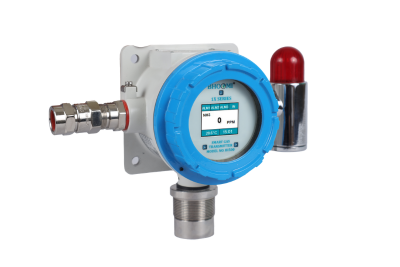
Implementing a reliable h2s gas detector is crucial for ensuring safety, operational efficiency, and regulatory compliance. A well-designed h2s gas detector in wastewater treatment plants helps monitor gas levels continuously and prevents potential hazards.
1. Understanding the Risks of H₂S Gas
Hydrogen sulfide is commonly generated during the decomposition of organic matter in wastewater systems. It is typically found in areas such as:
- Sewers and pipelines
- Sludge treatment units
- Pumping stations
- Anaerobic digesters
Exposure to H₂S can lead to:
- Eye and respiratory irritation
- Loss of smell at higher concentrations
- Severe toxicity and even fatality in extreme cases
A dependable h2s gas detector ensures early detection, allowing immediate corrective action.
2. Protecting Worker Health and Safety
Worker safety is the top priority in any industrial environment. In wastewater facilities, undetected H₂S leaks can pose life-threatening risks.
Using an h2s gas detector in wastewater treatment plants helps:
- Provide real-time alerts for gas leaks
- Enable quick evacuation in hazardous conditions
- Reduce risk of accidental exposure
Continuous monitoring ensures a safer working environment for plant personnel.
3. Preventing Equipment Corrosion and Damage
H₂S is highly corrosive, especially when combined with moisture to form sulfuric acid. This can lead to significant damage to infrastructure, including:
- Pipelines
- Storage tanks
- Concrete structures
- Electrical equipment
A reliable h2s gas detector helps identify areas with high gas concentration, enabling preventive maintenance and reducing long-term damage.
4. Ensuring Regulatory Compliance
Wastewater treatment plants must comply with environmental and occupational safety regulations. Monitoring hazardous gases is a key requirement.
An h2s gas detector in wastewater treatment plants ensures:
- Continuous tracking of gas levels
- Compliance with safety standards
- Accurate reporting for audits and inspections
This helps avoid penalties and ensures adherence to regulatory norms.
5. Supporting Efficient Plant Operations
Uncontrolled H₂S levels can disrupt treatment processes and reduce overall efficiency.
By using an h2s gas detector, operators can:
- Identify process imbalances
- Optimize treatment conditions
- Maintain stable plant performance
This leads to improved operational efficiency and reduced downtime.
6. Enabling Automation and Real-Time Monitoring
Modern gas detection systems can be integrated with automation platforms such as PLC and DCS.
An h2s gas detector in wastewater treatment plants can:
- Trigger alarms and safety protocols automatically
- Provide continuous data for monitoring
- Enable remote supervision and control
This enhances response time and reduces dependency on manual monitoring.
Explore Reliable Gas Detection Solutions
For advanced industrial gas monitoring solutions, Bhoomi Process Management Pvt. Ltd. offers reliable and high-performance analyzers designed for safety-critical applications.
Explore more:
https://www.bhoomiltd.com/
Their solutions are engineered to provide accurate detection, durability, and seamless integration for wastewater treatment environments.