How to enhance welding operations with a nitrogen purity analyser?
Welding is a crucial process that is widely used in sectors such as automotive, construction, shipbuilding, and heavy engineering. The quality and efficiency of welding operations are often directly impacted by the environment in which the welding takes place. The purity of gases, especially nitrogen, is one of the essential elements to control these environments. The gas is often used as a shielding gas in welding to protect the weld from atmospheric contamination. With a nitrogen purity analyser, you can significantly enhance your welding operations. Here, we will explore how nitrogen purity analysers can improve welding quality, efficiency, and overall safety in industrial settings.
Ensures optimal shielding for welds
In welding processes, particularly with TIG (Tungsten Inert Gas) and MIG (Metal Inert Gas), nitrogen is often used as a shielding gas. It creates a protective barrier around the weld. This prevents exposure to oxygen and moisture, which could cause oxidation, contamination, or defects in the weld. However, if the nitrogen is not pure, it may not offer adequate protection and lead to suboptimal results. A nitrogen purity analyser plays a crucial role to maintain the right nitrogen purity, which ensures the shielding gas remains effective throughout the welding process. With constant measurement of oxygen and impurity content of the nitrogen, these analysers provide operators with the real-time data they need. This helps avoid issues such as oxidation, porosity, and weak bonds.
Improves weld strength and durability
Weld strength and durability are essential for the structural integrity of the final product. Nitrogen purity plays a vital role to ensure that the welding process occurs in a controlled environment where no contaminants can interfere with the weld. If nitrogen is impure, oxygen or other reactive gases can interact with the molten metal, weaken the bond and compromise the weld. The use of a nitrogen purity analyser ensures that the shielding gas stays free of contaminants. This helps maintain the integrity of the weld. High-purity nitrogen ensures that the welding process occurs without unwanted reactions and leads to stronger, more durable welds. As a result, the final product is more reliable, with better resistance to stress and wear.
Reduces defects and rework
In welding, defects such as porosity, oxidation, and weak bonds are common issues that can arise from poor-quality shielding gases. These defects not only impact the appearance of the weld but can also weaken its structural integrity. Rework to fix these issues can be costly and time-consuming, which can lead to delays in production. A nitrogen purity analyser ensures that the purity of the gas is consistently maintained. This prevents the common welding defects. The analyser can identify and correct any issues before they result in defects. This leads to a reduction in rework and material waste and ultimately saves time and effort. With fewer defects, welding operations become more efficient, and overall productivity improves.
Optimises gas usage
In industrial welding operations, efficient resource management is crucial to keep costs under control. Nitrogen is an essential gas used in welding, and its proper usage is key to maintain a smooth operation. A nitrogen purity analyser helps operators monitor the purity of the nitrogen in real-time and enables them to make adjustments to the nitrogen flow if needed. This continuous monitoring ensures that nitrogen is used optimally and prevents both excessive usage and waste. If the analyser detects a drop in nitrogen purity, adjustments can be made to increase the flow rate, or the gas supply can be adjusted to ensure optimal purity.
Increases operational efficiency
Time is important in any industrial operation, which includes welding. When nitrogen purity is not properly monitored, it can lead to unexpected issues that disrupt the welding process and cause delays and downtime. A nitrogen purity analyser ensures that the welding process remains smooth and efficient through real-time data that enables quick adjustments when nitrogen purity drops below the required level. With continuous tracking of nitrogen purity, operators can act swiftly to maintain the right levels and ensure that welds are of high quality with minimal interruptions. The result is improved operational efficiency, reduced downtime, and faster production cycles.
Enhances safety
Welding environments are inherently hazardous, and one of the key risks is the potential for fire or explosions if the shielding gas becomes contaminated. Impure nitrogen with excess oxygen can increase the risk of combustion. This is more alarming for welding techniques that involve high heat and sparks. A nitrogen purity analyser helps ensure that the nitrogen used in welding remains free from oxygen and other dangerous impurities. With real-time alerts when purity levels fall below safe thresholds, the analyser enables quick corrective action to be taken. This ensures a safer working environment for welders and reduces the risk of accidents.
Maintains consistent quality across production
Manufacturers who rely on welding across multiple shifts and teams should ensure uniform nitrogen purity in their operations. It is a crucial factor that helps maintain consistent weld quality. A nitrogen purity analyser provides real-time data and ensures that every weld made meets the same high standards, regardless of the external factors. This consistency in nitrogen purity enables consistent quality weld across production. It can reduce variability and ensure that every product produced is of the same high quality.
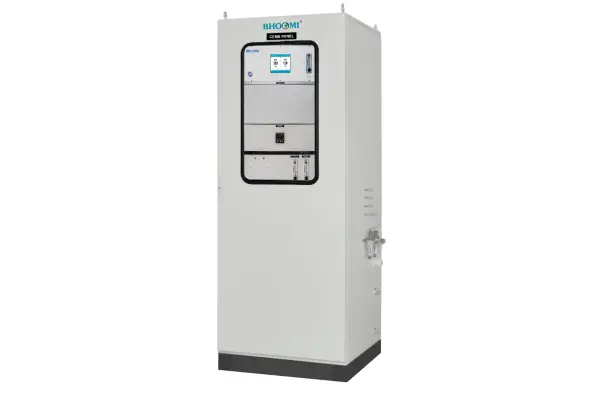
We are one of the leading suppliers of nitrogen purity meters that are suitable for various operations. Take a look at our Agasthya 2021 series Online Ammonia-nitrogen/ Total nitrogen Analyzer BI 1320. To learn more information about the nitrogen purity meter, you can contact us today.