What is the importance of monitoring BOD, COD, TSS and ph in distillery wastewater?
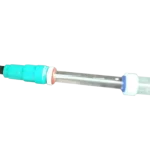
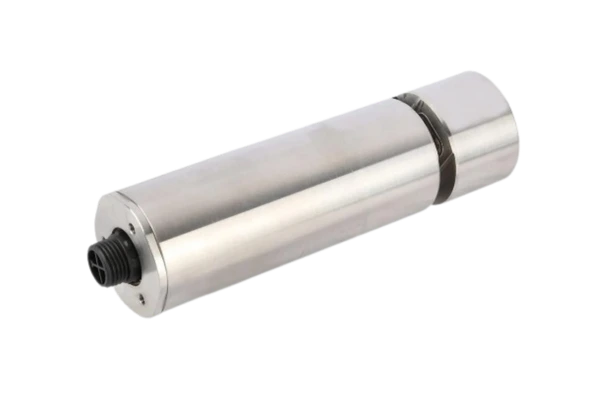
Distillery wastewater is characterised by a high organic load, variable pH, and significant suspended solids. These elements pose serious treatment and discharge challenges. Monitoring parameters like BOD (Biochemical Oxygen Demand), COD (Chemical Oxygen Demand), TSS (Total Suspended Solids), and pH is critical not only for meeting environmental regulations but also for optimising treatment processes and maintaining plant efficiency. The use of online water analysers (BOD, COD, TSS, pH) enables continuous tracking of these indicators. They offer faster responses, better compliance, and improved operational control in distillery wastewater management.
Critical nature of distillery wastewater
Distillery wastewater, particularly from molasses-based plants, is known for its high organic load, dark colour, and strong odour. It contains elevated levels of biodegradable material, suspended solids, and fluctuating pH. If not managed properly, this effluent can damage receiving water bodies, harm aquatic life, and lead to penalties under India’s Pollution Control Board regulations. For instance, the spent wash from ethanol production has a high BOD that can exceed 30,000 mg/L, which demands precise monitoring and robust treatment.
BOD and COD: indicators of organic load
Biochemical Oxygen Demand (BOD) measures the amount of oxygen required by microbes to break down organic matter. Chemical Oxygen Demand (COD), on the other hand, indicates the total oxidisable matter, including both biodegradable and non-biodegradable components.
Monitoring these parameters is vital to:
- Determine the organic strength of wastewater
- Assess the loading on biological treatment systems
- Evaluate performance of anaerobic digesters or activated sludge processes.
Accurate BOD and COD levels help distilleries decide whether further treatment or dilution is needed before discharge or reuse.
TSS monitoring for efficient solids management
Total Suspended Solids (TSS) are fine particles that affect settling, filtration, and sludge volume. High TSS in distillery effluent can lead to:
- Clogging in pipelines and pumps
- Poor settling in clarifiers
- Overloading of downstream treatment units
Continuous TSS monitoring supports proactive sludge handling and protects the integrity of mechanical equipment. It also improves the clarity and stability of treated effluent, a key requirement for recycling or discharge.
Importance of pH stability in treatment processes
Maintaining the right pH range is essential for microbial stability in both anaerobic and aerobic treatment systems. If the pH becomes too acidic or alkaline:
- Microbial efficiency drops
- Digestion processes slow down
- Corrosion risks increase in tanks and pipelines
- Discharge may exceed regulatory pH limits (typically between 5.5 and 9.0 as per CPCB norms)
Real-time pH monitoring allows early intervention to restore balance and avoid treatment failure.
Operational advantages of water analysers
Traditionally, water quality checks rely on manual sampling and lab testing, which may delay response. Modern water analysers provide:
- Continuous, real-time measurement of BOD, COD, TSS, and pH
- Instant alerts for abnormal readings
- Automated data logging for compliance reports
- Greater control over process optimisation
With rising regulatory pressure and demand for water reuse, adopting these analysers can help distilleries reduce costs, increase plant efficiency, and avoid environmental violations.
Looking for water analysers for distilleries?
Explore the solutions provided by Bhoomi. They offer water analysers (BOD,COD,TSS,PH) for distilleries. Designed to monitor the oxygen demand, pH amount, and suspended solids, the machinery can analyse the quality of water. With real-time monitoring, the sensors guarantee better operational control, helping maintain the regulatory compliance of distilleries.