Maximizing Biogas Plant Efficiency with Real-Time Biogas Analyzers
In the rapidly growing renewable energy sector, biogas plants play a pivotal role in turning organic waste into usable energy. Yet, to extract the maximum value from anaerobic digestion, efficient process monitoring and control are essential. One of the most powerful tools for this is a real-time biogas analyzer.
In this post, we look at how deploying an online biogas analyzer in your plant can boost performance, ensure safety, reduce costs, and help you get the most from your feedstock.
Why Real-Time Biogas Analysis Matters
1. Optimize methane yield & gas quality
Methane (CH₄) is the primary valuable component in biogas — typically comprising 50–70% of the mixture.
However, the gas composition can shift dynamically, depending on temperature, pH, feedstock loading, microbial activity, or inhibition. Continuous monitoring of CH₄, CO₂, O₂, H₂S, moisture, and other trace gases allows plant operators to detect deviations and make corrections in real time.
For example, if CO₂ rises disproportionately, it can dilute the energy density of the gas; detecting that early allows you to adjust the digester conditions (e.g. retention time, mixing, substrate ratio).
2. Protect equipment & reduce maintenance
Biogas often contains corrosive or damaging compounds — especially hydrogen sulfide (H₂S) and siloxanes (if feedstock includes sewage sludge or certain industrial wastes).
Siloxanes can form silica deposits in gas engines or turbines, causing wear and damage. A continuous siloxane analyzer helps verify whether pretreatment is properly removing these.
Likewise, monitoring H₂S levels helps prevent corrosion and protects membrane or adsorption systems.
3. Safety & compliance
Methane is flammable, and uncontrolled gas composition anomalies can lead to unsafe conditions. Continuous monitoring allows alarms or interlocks to be triggered if concentrations stray outside safe thresholds.
Also, regulatory or grid-injection standards may require that biomethane meet certain purity or contaminant limits. Real-time analyzers help you maintain compliance.
4. Process automation & cost reduction
With continuous data, you can automate feedback loops — e.g. adjusting substrate feed, temperature, stirring, or recirculation flows. This reduces reliance on manual sampling and analytical lab delays. Operations become more stable, efficient, and cost-effective.
In one industry summary, integrating real-time gas quality analysis reportedly improved biogas yield by ~30% and reduced operational cost by ~45%.
Implementation Tips & Best Practices
1. Strategic placement of sampling points
Place sensors after pretreatment, before the engine or grid injection point, and at intermediate locations (e.g., before scrubbers) to understand performance across sections.
2. Redundancy & validation
Use periodic grab-sample validation (e.g., GC analysis) to confirm that the online analyzer remains accurate over time.
3. Automate alarms & feedback control
Integrate the analyzer with process control logic so that deviations automatically trigger corrective actions.
4. Maintain the analyzer proactively
Even rugged systems require periodic checks, cleaning, calibration, and replacement of filters—especially in gas streams with particulates or moisture.
5. Data analysis & trend monitoring
Use historical trend data to detect gradual drift, correlate process deviations, identify feedstock anomalies, and optimize operational parameters.
6. Train the operations team
Ensure operators understand how to interpret biogas composition trends (e.g., CH₄/CO₂ ratio shifts) and the appropriate actions to take.
Case Example & Supplier Link
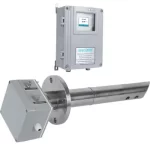
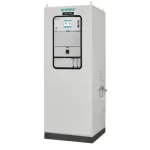
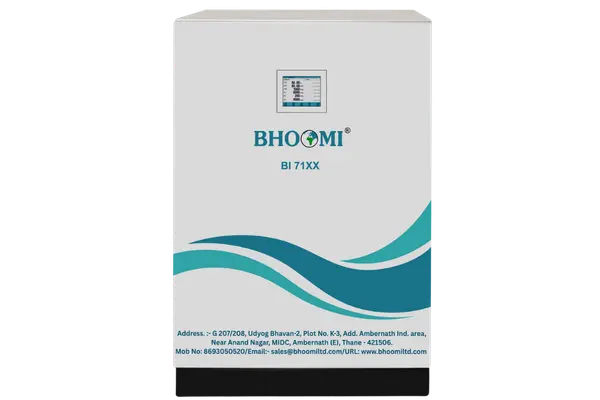
One noteworthy product option is offered by Bhoomi Ltd, who supply an online biogas analyzer for renewable energy systems:
Biogas Analyzer — Bhoomi Ltd
This link provides specifications, use cases, and contact details, making it a useful reference as you evaluate solutions for your plant.