Key Parameters Measured by Biogas Analyzers for Efficient Biomethane Generation
Biomethane, a renewable energy source derived from biogas, plays a crucial role in sustainable energy production. To ensure the efficiency and quality of biomethane generation, biogas analyzers are indispensable. These devices measure key gas parameters, helping operators optimize the biogas upgrading process and maintain compliance with industry standards.
Importance of Biogas Analysis
Biogas primarily consists of methane (CH₄) and carbon dioxide (CO₂), with trace amounts of hydrogen sulfide (H₂S), oxygen (O₂), and other gases. Monitoring these components is essential for improving energy yield, ensuring equipment safety, and minimizing environmental impact. Portable and high-precision biogas analyzers, such as the biogas analyzer BI7110 and biogas analyzer portable BI71320, provide real-time data for effective decision-making.
Key Parameters Measured by Biogas Analyzers
Methane (CH₄) Concentration
Methane is the primary component of biogas and the main contributor to its energy value. A high methane content (typically 50-70%) indicates efficient digestion. Biogas analyzers measure CH₄ levels to assess energy potential and determine whether further upgrading is needed for biomethane production.
Carbon Dioxide (CO₂) Levels
CO₂ is a major component of raw biogas. High concentrations reduce the calorific value and require removal during the upgrading process. Biogas analyzers help track CO₂ levels, ensuring optimal separation techniques such as membrane filtration or chemical scrubbing are applied.
Hydrogen Sulfide (H₂S) Content
H₂S is a highly corrosive gas that can damage engines, pipelines, and storage tanks. High levels also pose health risks and require treatment through desulfurization processes. Monitoring H₂S concentrations allows operators to implement effective removal strategies, prolonging equipment lifespan and ensuring safe operations.
Oxygen (O₂) and Nitrogen (N₂) Levels
The presence of O₂ and N₂ in biogas may indicate air infiltration, which can lead to safety hazards and inefficiencies in combustion. Excessive O₂ can also increase the risk of explosions in biogas plants. Biogas analyzers detect O₂ and N₂ levels, allowing operators to prevent leaks and maintain process stability.
Moisture Content
Moisture in biogas can lead to pipeline corrosion and reduce the efficiency of gas utilization. Biogas analyzers measure humidity levels, enabling proper drying techniques to ensure optimal gas quality and protect infrastructure.
Benefits of Using Advanced Biogas Analyzers
- Real-time Monitoring: Continuous analysis of biogas composition enhances process efficiency and ensures stable biomethane production.
- Process Optimization: Accurate data helps adjust feedstock composition and digestion conditions for maximum methane yield.
- Safety Assurance: Detecting hazardous gas levels minimizes risks related to equipment failure and environmental contamination.
- Regulatory Compliance: Meeting industry standards for biomethane quality is critical for grid injection and commercial utilization.
Choose Bhoomi Ltd’s Biogas Analyzers for Precision and Reliability
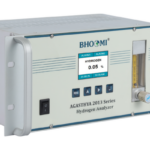
At Bhoomi Ltd, we offer state-of-the-art biogas analyzers, including the Agasthya 2013 Series Biomass Gas Analyzer (BI-7210), designed to provide accurate gas composition measurements. Our analyzers ensure that biogas plants operate efficiently while maintaining environmental and safety standards.
Explore our biogas analysis solutions: Agasthya 2013 Series Biomass Gas Analyzer BI-7210
Invest in cutting-edge biogas analyzers from Bhoomi Ltd to optimize biomethane generation and contribute to a greener, more sustainable future.