Role of dust monitors in bag filter application in wood processing company
In wood processing units, where sawing, cutting, sanding, and finishing are everyday tasks, dust generation is inevitable. If not controlled effectively, this dust can lead to serious air quality concerns, impact equipment life, and pose health hazards to workers. While bag filters are commonly used to control particulate emissions, their efficiency is highly dependent on real-time dust monitoring.
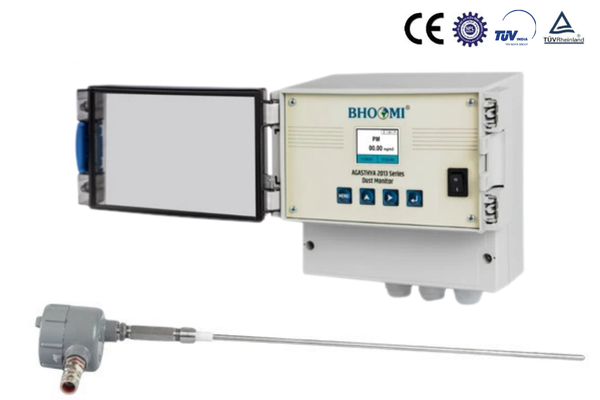
That’s where dust monitors and a robust dust monitoring system become essential. These systems provide continuous oversight, ensuring bag filters function at their best while keeping emissions within safe and compliant limits.
How Bag Filters Work in Wood Processing
Bag filters, also known as fabric filters, use long cylindrical bags to trap dust particles as air passes through them. In wood processing plants, these filters are integral to managing the large volumes of particulate matter generated during production.
However, over time, these bags can become clogged, torn, or degraded. Without early detection, this can result in reduced filtration efficiency, higher emissions, and expensive downtime. Installing a dust monitoring system helps address these challenges proactively.
Key Roles of Dust Monitors in Bag Filter Applications
Real-Time Emission Control
Dust monitors installed downstream of the bag filter continuously measure dust levels, offering live insights into system performance. Operators can quickly respond to rising emission levels, avoiding non-compliance with environmental standards.
Leak Detection and Maintenance Alerts
A sudden spike in dust levels usually indicates a torn or leaking filter bag. With early detection through a dust monitoring system, operators can isolate the problem and perform targeted maintenance before it affects operations or worker safety.
Optimising Filter Efficiency
By monitoring dust concentrations over time, plants can determine when filters are becoming saturated and schedule cleanings or replacements accordingly. This predictive maintenance approach improves system longevity and energy efficiency.
Ensuring Regulatory Compliance
Dust emissions are strictly regulated in most regions. A certified dust monitoring system helps maintain records for compliance reporting and environmental audits, reducing the risk of penalties.
Enhancing Worker Health and Safety
Wood dust is a known respiratory hazard. Continuous dust monitoring ensures the indoor air quality stays within permissible exposure limits, creating a safer and healthier workspace for employees.
Why Bhoomi Ltd?
At Bhoomi Ltd, we understand the unique challenges faced by industries like wood processing when it comes to air pollution control. Our advanced dust monitors and intelligent dust monitoring systems are engineered to deliver accurate, real-time readings in demanding industrial environments. They are ideal for integration with bag filter systems and support both compliance and operational efficiency.
Ready to Upgrade Your Air Quality Monitoring?
Explore our dust monitoring solutions here:
Whether you need continuous emission monitoring or real-time process control, Bhoomi Ltd has the right dust monitoring system to meet your needs. Enhance productivity, ensure worker safety, and stay compliant—choose Bhoomi’s dust monitoring technology for your wood processing plant.